
.svg)


cylib selected as Strategic Project under EU Critical Raw Materials Act
- The European Commission selects cylib’s battery recycling project as a Strategic Project under the Critical Raw Materials Act (CRMA)
- cylib is building a facility in Dormagen designed to process up to 140,000 EV batteries per year
- cylib’s Aachen and Wernberg-Köblitz sites provide the research and development and battery pre-processing capabilities that support Dormagen
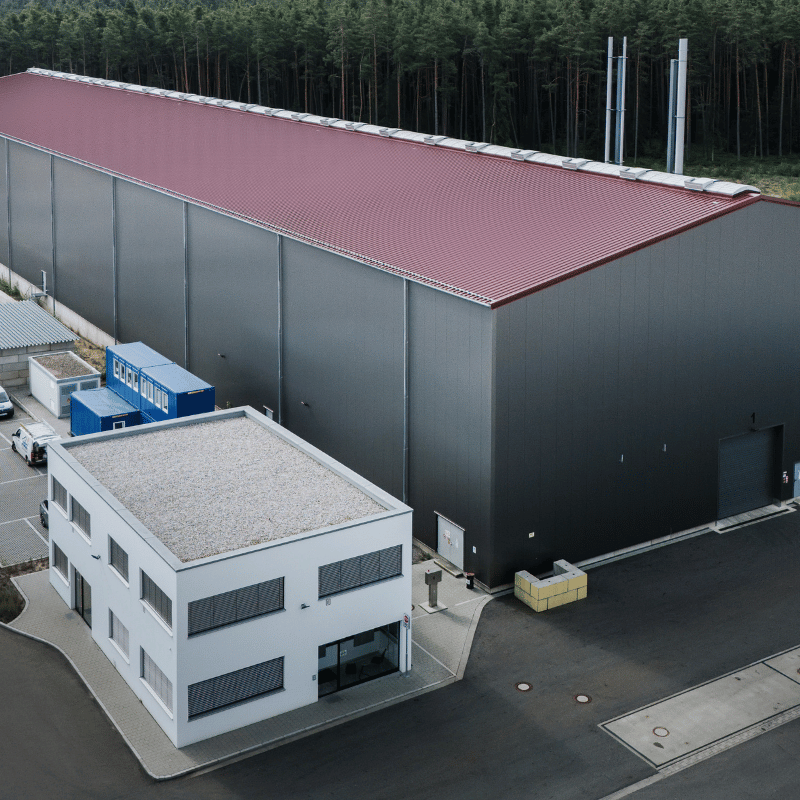
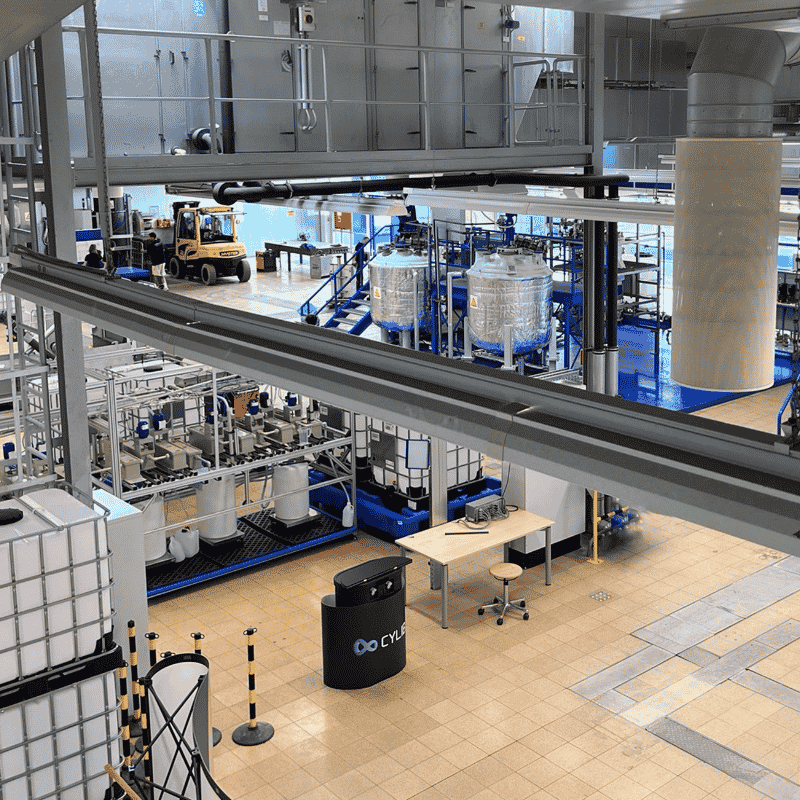
Aachen, Germany, 14 October 2026 – The European Commission has selected cylib’s battery recycling project as a Strategic Project under the Critical Raw Materials Act (CRMA). The designation recognizes the project’s contribution to Europe’s supply of critical raw materials and centers on cylib’s hydrometallurgical processing facility in Dormagen, which is under construction and designed to process up to 140,000 EV batteries per year. The project is part of cylib’s integrated network across Germany, which includes research and development at its Aachen headquarters, hydrometallurgical processing in Dormagen and mechanical processing in Bavaria.
The Commission selects Strategic Projects for their potential to strengthen Europe’s supply of strategic raw materials and reduce dependence on individual third countries. By building industrial-scale battery recycling capacity, cylib is helping make one of the CRMA’s central 2030 objectives possible: meeting at least 25% of the EU’s annual consumption of strategic raw materials through recycling.
“The Commission’s decision recognizes what Europe needs now: industrial capacity to recover battery materials and keep them in the European economy,” says Dr. Lilian Schwich, Co-CEO and Co-Founder of cylib. “We are proud to contribute to that effort. A battery’s first life does not have to be the end of its value in Europe.”
“A secure supply of raw materials is a central prerequisite for Europe’s economic strength and competitiveness,” says Stefan Rouenhoff, Parliamentary State Secretary at the German Federal Ministry for Economic Affairs and Energy (BMWE). “Therefore, we must consistently expand our own capacities for the recovery of critical raw materials. The fact that the European Commission recognizes cylib’s recycling project as a Strategic Project is an important signal for Germany as an industrial location and for the resilience of our European value chains. I congratulate cylib on this significant achievement.”
The significance of the Strategic Project designation
The designation recognizes cylib’s strategic relevance to Europe’s efforts to build a more resilient and circular supply of raw materials. By establishing industrial-scale battery recycling capacity in Germany, cylib has the potential to strengthen Europe’s domestic supply of battery materials, reduce reliance on highly concentrated external supply chains, and keep valuable resources within the European economy.
For cylib, the designation underlines its role as a core part of Europe’s future battery infrastructure. With mechanical processing in Bavaria, research and development in Aachen, and its industrial-scale facility in Dormagen, currently under construction, cylib is building an integrated German recycling network designed to return recovered materials to industrial use in Europe.
“Our partners need a reliable European route from used batteries to recovered raw materials,” says Dr. Gideon Schwich, Co-CEO and Co-Founder of cylib. “By recognizing this route as strategically important, Europe gives our partners the confidence to build on it.”
About cylib
cylib is a holistic and sustainable battery recycling company founded in 2022 in Aachen, Germany, by Dr. Lilian Schwich, Paul Sabarny, and Dr. Gideon Schwich. The company emerged from research conducted at RWTH Aachen University to produce advanced materials for sustainable batteries and resilient European value chains. cylib operates an integrated network across Germany: research and development at the Aachen headquarters, hydrometallurgical processing in Dormagen (under construction), and mechanical processing in Bavaria.
The water-based OLiC (Optimized Lithium and Graphite Recovery) technology efficiently recovers raw materials from battery packs, black mass, or production scrap. It achieves recovery rates of over 90% for lithium, graphite, nickel, cobalt, and manganese, with an 80% lower carbon footprint than primary extraction, enabling true material circularity.
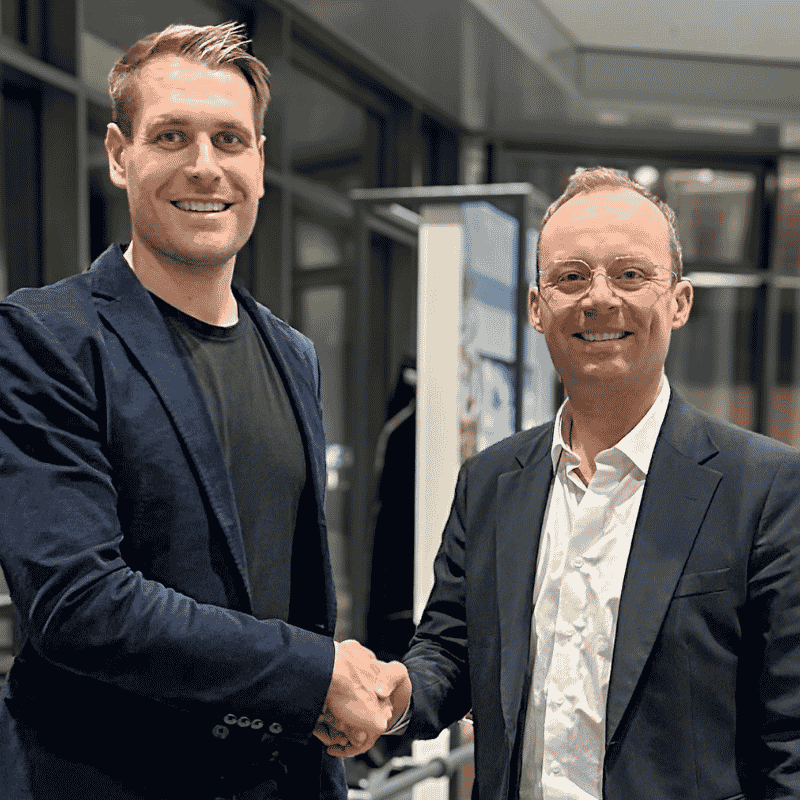
Photo caption: Earlier this year, Stefan Rouenhoff, Parliamentary State Secretary at the German Federal Ministry for Economic Affairs and Energy (BMWE), visited cylib and was welcomed by Dr. Gideon Schwich, Co-CEO and Co-Founder of cylib. Photo: cylib

.png)
.png)
.png)
.png)
.png)


.png)
.png)

%20(1).png)

.png)
.png)

.png)


.png)
.png)

