SPRIND invests in battery recycler cylib
- The goal: a closed loop for battery materials in Europe.
- The foundation is a process developed at RWTH Aachen University that selectively recovers all raw materials from batteries.
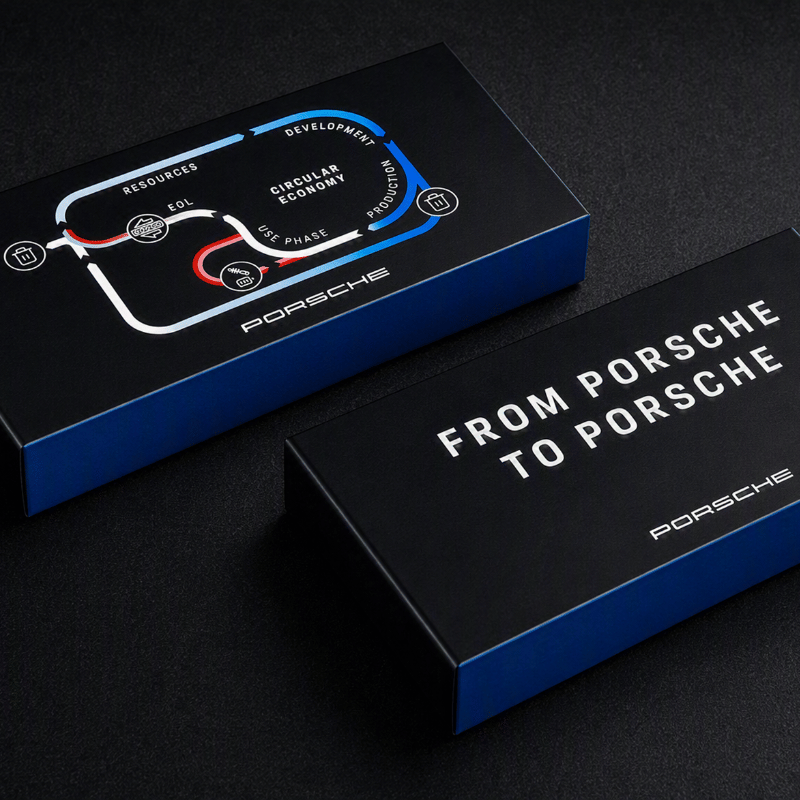
- Proof that it works comes from a Porsche AG pilot project in which cylib was among the partners supplying recycled lithium for cathode production: For the first time, the project produced battery cells with cathode active material made from 100% recycled raw materials.
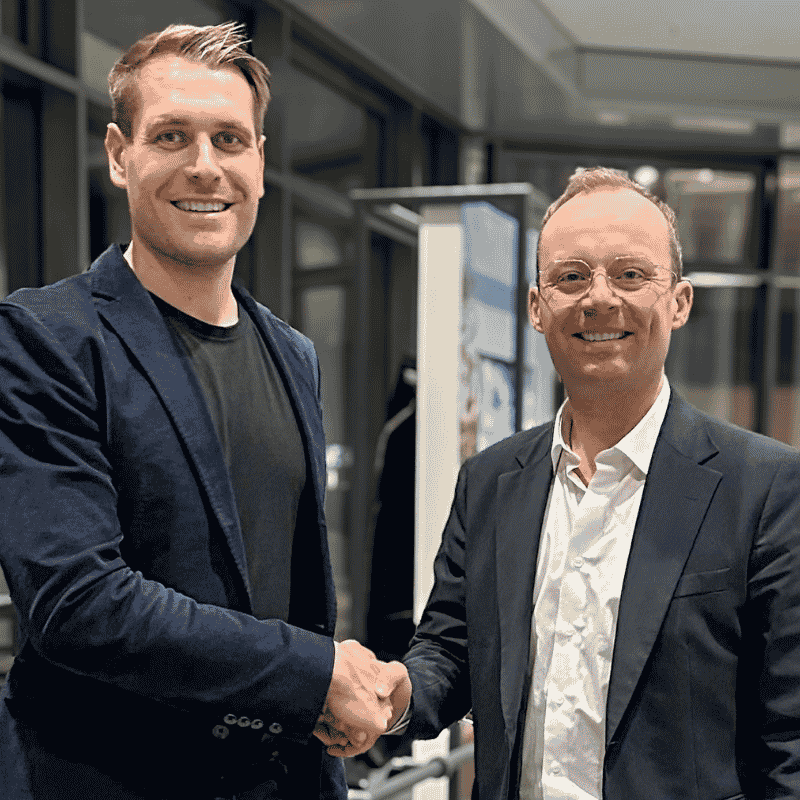
Aachen, Germany, 17 November 2026. SPRIND, Germany’s Federal Agency for Breakthrough Innovation, is taking a stake in Aachen-based battery recycling company cylib. The logic is simple: Europe has little access of its own to the raw materials that are critical for battery production, while the number of end-of-life EV batteries grows every year. cylib is working to keep these critical raw materials in a closed loop, from the end-of-life battery back into the value chain. SPRIND is now helping the company develop its technology further and scale it to industrial maturity.
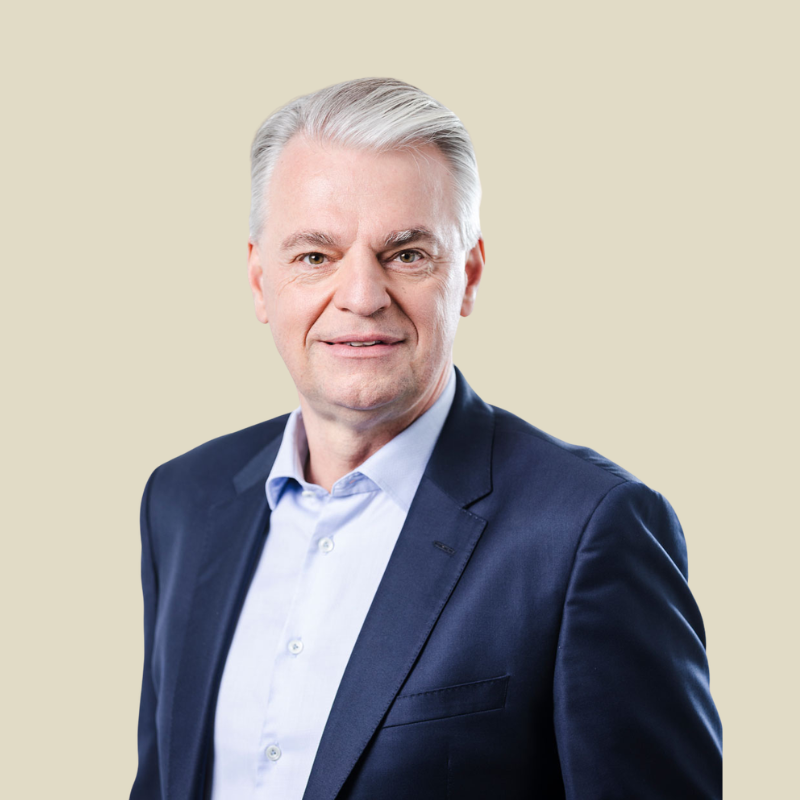
“Our technology was born in research, and at cylib we have developed it to the threshold of industrialization,” says Dr. Lilian Schwich, co-CEO and co-founder of cylib. “With SPRIND, we gain a partner that understands how important technological innovation is for critical value chains and what it takes to bring it to market.”
Lithium first
The process is based on research at RWTH Aachen University. Early recycling processes focused on nickel and cobalt. Lithium was recovered only at the end of the process chain or was lost in the slag. At cylib, lithium comes first: The water-based OLiC process (Optimized Lithium and Graphite Recovery) extracts lithium in the very first steps from black mass, the powder produced by mechanically processing end-of-life batteries. A recent review in the journal Waste Management, co-authored by cylib CTO Dr. Tobias Elwert, shows that this approach can increase overall yields while also offering cost advantages. This matters for regulation as well: The EU Battery Regulation requires 80% of the lithium in waste batteries to be recovered by the end of 2031.
The pilot project involving cylib, Porsche AG and other partners shows that the process works in practice. As Porsche announced in September, the project produced cathode active material from 100% recycled raw materials for the first time, recovered from Porsche’s own high-voltage batteries. The cells made from this material are now being tested against Porsche’s stringent quality requirements.
Why SPRIND is investing
“Breakthrough innovations don’t only happen in the lab. They also happen where a technology makes a new market possible,” says Olav Carlsen, innovation manager at SPRIND. “cylib has the technological foundation to create a large-scale industrial market for battery materials that remain in circulation in Europe. That strengthens the sovereignty of Germany, and of Europe more broadly, in critical raw materials. These are exactly the kinds of leaps we want to make possible.”
From research to industry
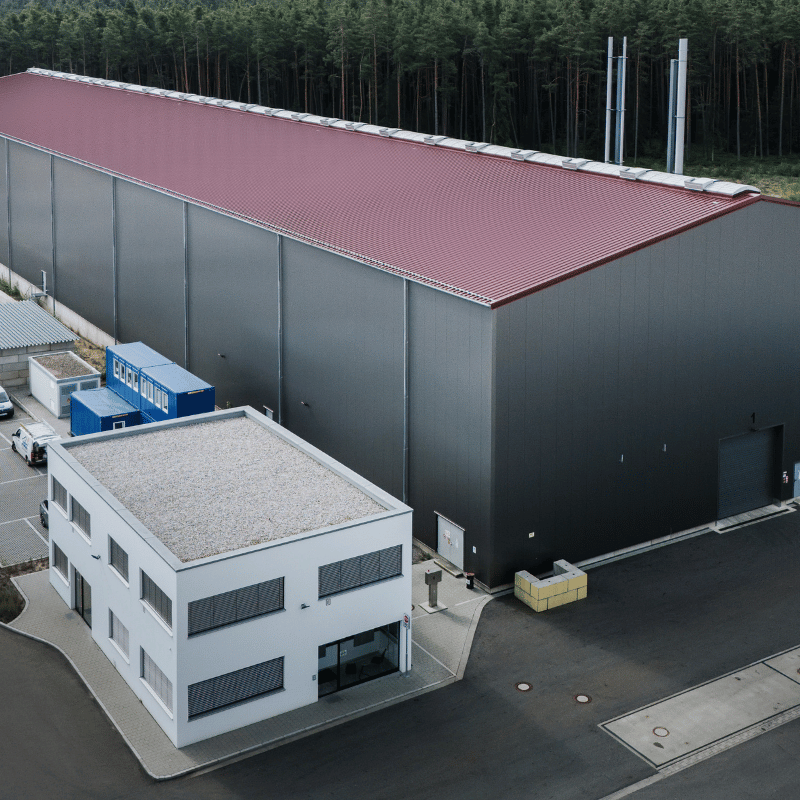
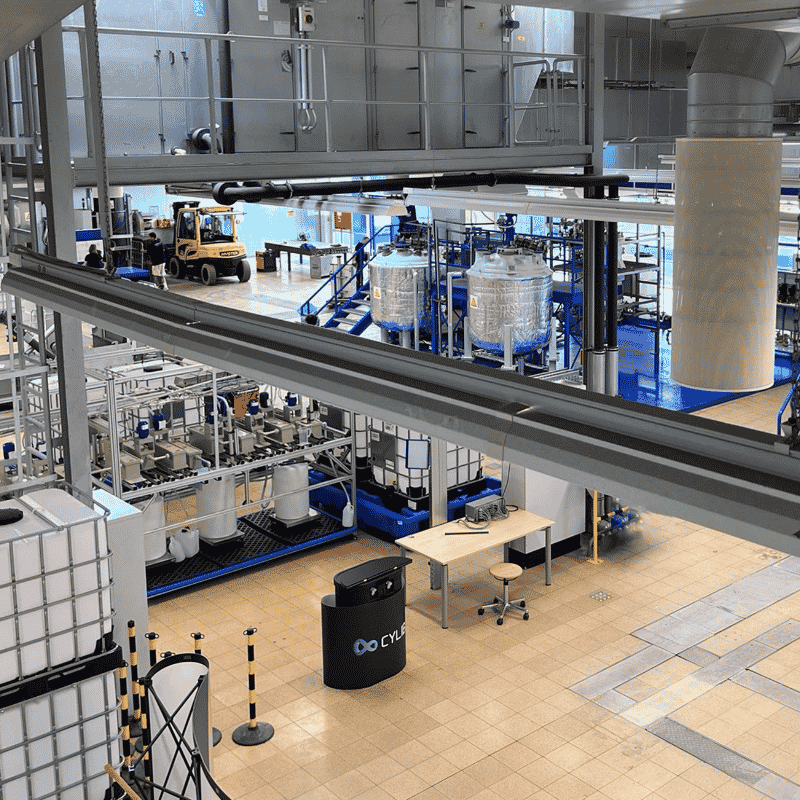
cylib’s first industrial site, in Wernberg-Köblitz in eastern Bavaria, has been taking in end-of-life EV batteries and processing them into black mass since September 2026. The plant is ramping up step by step and is designed to handle up to 10,000 metric tons a year. In Dormagen, North Rhine-Westphalia, the company is building its large-scale hydrometallurgical plant. The European Commission has selected the project as a Strategic Project under the Critical Raw Materials Act.
“The battery raw materials for Europe’s next generation of vehicles are already on our roads today,” says Dr. Gideon Schwich, co-CEO and co-founder of cylib. “Our job is to make sure they stay in Europe at the end of a car’s life and flow back into new applications. Our pilot plant in Aachen has shown that this is possible. Now we are developing our technology further and expanding capacity to close this loop across Europe.”
Last week cylib announced its first bank financing: Sparkasse Aachen is supporting the ramp-up at the Wernberg-Köblitz site.
About cylib
cylib is a holistic and sustainable battery recycling company founded in Aachen in 2022 by Dr. Lilian Schwich, Paul Sabarny, and Dr. Gideon Schwich. The company emerged from research at RWTH Aachen University on producing advanced materials for sustainable batteries and resilient European value chains. cylib operates an integrated network across Germany: research and development at its headquarters in Aachen, hydrometallurgical processing in Dormagen (under construction), and mechanical processing in Bavaria.
The water-based OLiC technology (Optimized Lithium and Graphite Recovery) efficiently recovers raw materials from battery packs, black mass, or production scrap, achieving recovery rates of more than 90% for lithium, graphite, nickel, cobalt, and manganese, with a CO₂ footprint 80% lower than primary production, enabling a circular economy for battery materials.